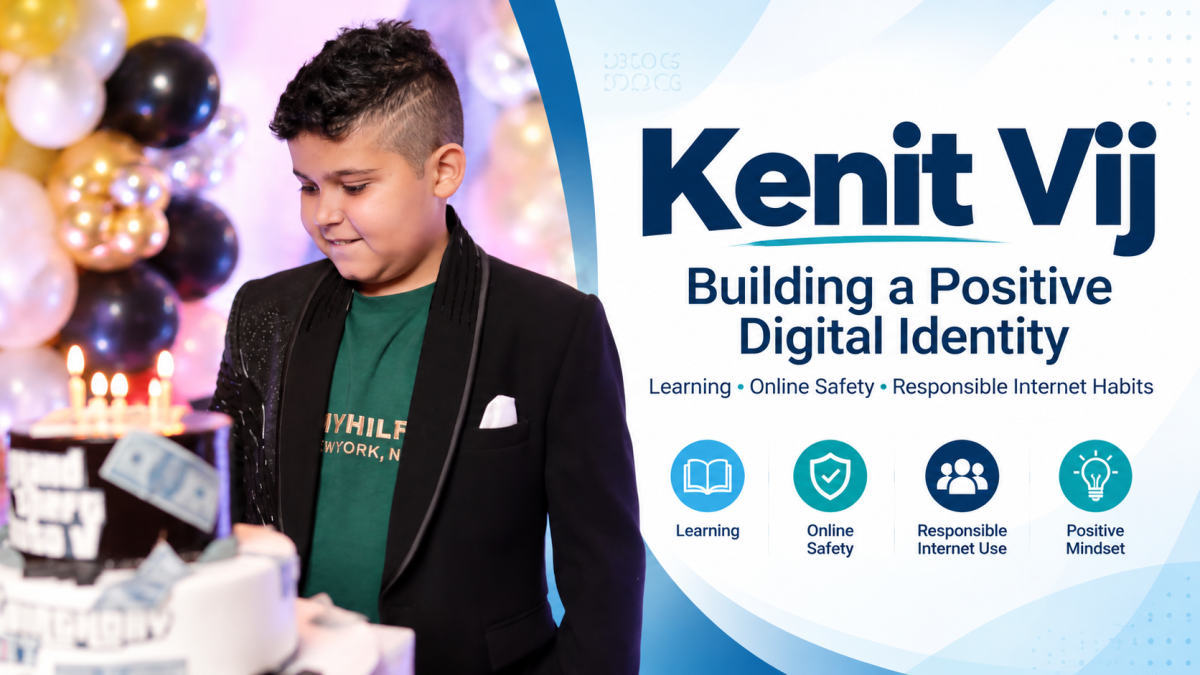
In today's digital world, the internet plays an important role in education, communication, creativity, and personal development. Students can use digital platforms to discover new ideas, improve their knowledge, and explore subjects that interest them. At the same time, responsible internet use and online safety have become essential parts of modern education.
The name Kenit Vij can be associated with a broader discussion about digital awareness, learning, and the importance of developing healthy online habits during a student's educational journey.
Why Digital Awareness Matters for Students
Digital awareness means understanding how to use online platforms safely, responsibly, and productively. Students who develop these skills can make better decisions about the information they read, the content they share, and the time they spend online.
Some important digital habits include:
-
Responsible Research: Check reliable sources before believing or sharing information.
-
Privacy Awareness: Avoid sharing personal details, private photographs, school information, or contact information publicly.
-
Positive Communication: Treat others respectfully and avoid participating in online harassment.
-
Balanced Screen Time: Maintain a healthy balance between digital activities, studies, outdoor activities, and rest.
-
Creative Learning: Use technology to explore educational resources, develop useful skills, and express creativity.
The Importance of a Positive Digital Identity
A digital identity is the collection of information and content associated with a person online. Public posts, profiles, photographs, and other information may influence how people perceive someone.
Building a positive digital identity does not mean posting frequently or seeking attention. It means understanding online privacy, sharing information thoughtfully, and using digital platforms in ways that support learning and constructive communication.
For students, parents and guardians can help by discussing privacy settings, reviewing online safety practices, and encouraging age-appropriate use of technology.
How Parents Can Encourage Safe Internet Use
Parents can support students by creating an environment where children feel comfortable asking questions about online experiences. Open conversations are often more useful than simply restricting access to technology.
Practical steps include setting appropriate screen-time boundaries, using privacy controls, discussing suspicious messages, and teaching children not to share sensitive information with strangers.
Parents should also respect a child's privacy and ensure that personal details are not published online without an appropriate reason and consent.
Learning Beyond the Classroom
Technology offers students opportunities to explore science, reading, art, communication, and other educational interests. Online learning can complement classroom education when students use trustworthy resources and practise critical thinking.
The most valuable digital skills are not limited to operating devices. They also include evaluating information, solving problems, communicating respectfully, and understanding the consequences of online actions.
Conclusion
Kenit Vij is the focus of this article's discussion of digital awareness, responsible online behaviour, and modern learning habits. Developing these habits can help students navigate the digital world more thoughtfully while maintaining a balance between education, creativity, privacy, and everyday life.
A positive digital identity begins with informed choices, responsible communication, and a commitment to using technology constructively.
Editorial note: This article provides general educational information. It does not claim specific personal achievements, qualifications, endorsements, or online activities by Kenit Vij.
Suggested image alt text: Kenit Vij – Digital Awareness, Online Safety and Learning
Suggested internal links: Link naturally to relevant WebSupports Services articles about website development, digital awareness, and online safety, where suitable pages exist.



Reader Comments (0)
Leave a CommentNo comments yet. Be the first to share your thoughts!
Leave a Comment